


Why Self-Care Is Your Ultimate Charging Station

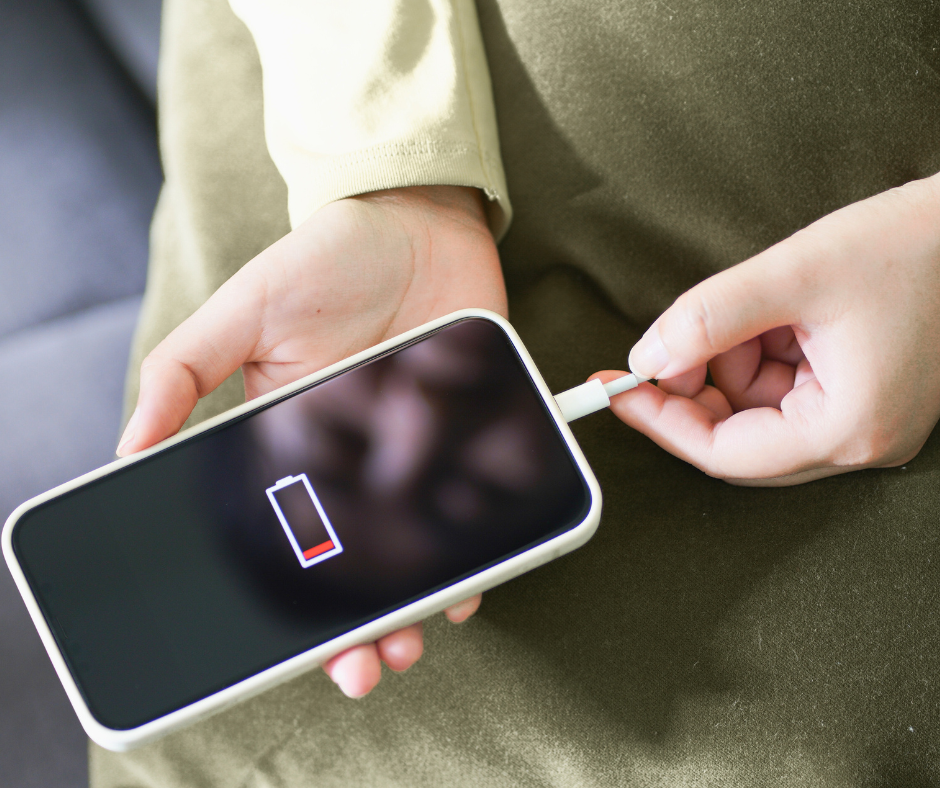
Imagine your smartphone after a long day of use. The battery icon is red, hovering near 1%. You've used it for calls, navigation, emails, and maybe a bit of social media. Now, it’s sluggish, apps crash, and it can barely perform its most basic functions. You wouldn't expect it to keep going without a recharge, right? So why do we expect ourselves to?
We often see our capacity to care for others as a boundless resource. But just like that phone, our energy, patience, and compassion are finite. Pouring from an empty cup isn't just a saying; it's a state of burnout that many of us experience. It's time to reframe self-care not as an indulgence, but as your personal, essential charging station.

The Human Battery: Are You Running on Low?
Many people believe that prioritizing their own needs is selfish, especially when others depend on them. This is a common misconception that leads to exhaustion and resentment. Let’s look at some familiar scenarios.
Consider a parent juggling work deadlines, school runs, and household chores. Their "me time" shrinks to the few minutes before they fall asleep, completely spent. Or think of the dedicated caregiver, so focused on a loved one's appointments and medications that they forget their own meals and skip their own check-ups. They are giving everything they have, but their own battery level is flashing red.
When we operate in this depleted state, we aren't at our best. Our patience wears thin, our thinking becomes cloudy, and we may even start to feel detached from the very people we are trying to support. We are not just tired; we are functioning at a fraction of our capacity. Continuing this way doesn't help anyone.
Plugging In: What Does Your Charging Station Look Like?
Self-care isn't about grand, expensive gestures. It's about intentionally and consistently plugging back into the things that restore your energy. Your personal charging station is unique to you. It’s a combination of practices, boundaries, and moments that replenish your mental, emotional, and physical reserves.
For some, the charger might be a quiet room and a good book. For others, it’s a long run in the park or a coffee with a trusted friend. The key is to identify what recharges you and to make it a non-negotiable part of your routine. This isn’t a luxury; it’s maintenance for your most valuable asset: yourself.
Actionable Tips to Build Your Charging Station
Ready to start recharging? It doesn't have to be complicated. Here are some practical ways to build and use your personal charging station.
1. Schedule "Me Time" Like an Important Meeting
You wouldn't cancel a critical work meeting or a doctor's appointment for your child without a good reason. Treat your self-care time with the same level of importance.
Block it out: Literally schedule "me time" in your calendar. It could be 15 minutes in the morning for meditation, an hour in the evening for a hobby, or a weekend afternoon to do absolutely nothing.
Communicate it: Let your family or partner know. Say, "I'm taking the next hour for myself to recharge." This sets a clear expectation and reinforces the importance of your needs.
2. Set and Enforce Healthy Boundaries
Boundaries are the protective walls around your energy reserves. They define what you are and are not available for. Without them, your battery will constantly be drained by others' demands.
Learn to say "no": You don't have to agree to every request or invitation. A simple, "I can't commit to that right now" is a complete sentence. It’s not a rejection of the person, but a protection of your own well-being.
Limit your availability: You are not on call 24/7. Turn off work notifications after hours. Let friends know you won't be available to talk during your dedicated family time.
3. Identify Your "Energy Chargers" and "Energy Drainers"
Take a moment to make two lists. On one, write down the activities, people, and places that make you feel energized and happy. This could be anything from listening to a specific playlist to spending time in nature. These are your chargers.
On the other list, write down the things that leave you feeling exhausted, stressed, or depleted. These are your drainers. While you can't eliminate all drainers (like a challenging work project), awareness allows you to manage them better and ensure you are scheduling enough charging activities to compensate.
4. Seek and Accept Support
Being a caregiver doesn't mean you have to do it all alone. Trying to be a hero only leads to burnout. Building a support system is a powerful way to keep your battery from hitting zero.
Delegate tasks: Ask your partner to handle dinner, have your kids help with chores, or hire help if you can. You don't have to carry the entire load.
Talk to someone: Whether it's a friend, family member, or a professional therapist, talking about your stress can be a huge relief. It provides an outlet and can give you a fresh perspective.
Self-Care Is Not Selfish; It's Essential
Let’s return to our smartphone metaphor. When you plug it in, you aren't doing it for the phone's sake. You are doing it so you can use it to connect, to navigate, to work, and to be there when someone needs you.
Your self-care works the same way. When you take the time to recharge, you are not just doing it for yourself. You are doing it for your children, your partner, your friends, and everyone who relies on you. You are ensuring that when you show up for them, you are bringing a fully charged, present, and compassionate version of yourself.
Giving from a place of abundance is far more sustainable and impactful than giving from a place of depletion. So, find your charging station, plug in, and give yourself permission to recharge. The people you care for will thank you for it.


Comments